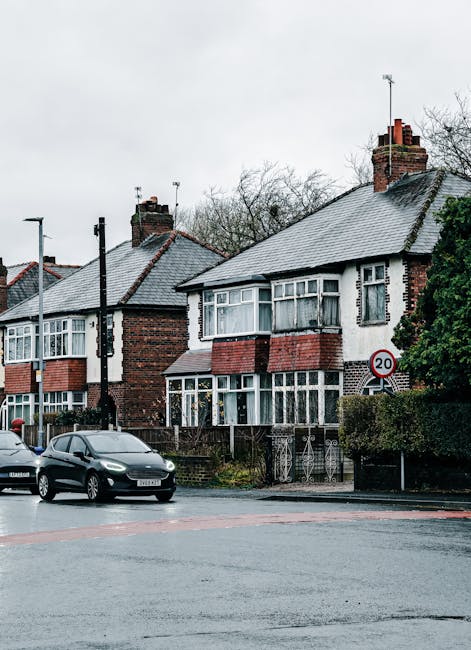
Chalk Farm Road House Removals Tips for Narrow Access
If you are moving on or near Chalk Farm Road, narrow access can turn a straightforward house move into a bit of a puzzle. Tight stairwells, awkward corners, parked cars, low railings, shared hallways, and limited turning space all change how removals need to be planned. The good news? With the right preparation, Chalk Farm Road house removals tips for narrow access can make the day feel controlled rather than chaotic.
This guide breaks down what actually helps in real life: how to measure properly, what to move first, how to protect the property, when a smaller vehicle is smarter, and what to ask before moving day. It is written for people who want fewer surprises and a calmer move. And, truth be told, moving in a tight London street without a plan is one of those things that sounds fine until a wardrobe is wedged halfway down a staircase. Not ideal.
Why Chalk Farm Road house removals tips for narrow access Matters
Narrow access changes almost everything about a house move. On a wider street, a removals crew can often park close, unload efficiently, and carry items in a clean line from van to front door. On a constrained road or a property with limited internal access, the same job becomes slower and more technical. That does not mean it is difficult for the sake of it; it simply means the move needs more thought.
Chalk Farm Road has the kind of mixed urban character that creates moving challenges people do not always spot at first glance. You may have a compact frontage, shared access with neighbours, basement steps, or a building entrance that forces furniture to turn before it is fully through the door. Even a small delay on loading day can snowball if a larger vehicle blocks the wrong spot or an item has to be repacked because it will not fit through the hallway.
The real value of planning narrow access properly is not just convenience. It protects your furniture, reduces the risk of property damage, and helps the crew work safely. It also makes pricing more realistic because the move can be scoped honestly. If you want a broader overview of domestic moving support, the team behind house removals and home moves services usually treats access details as a key part of the quote, not an afterthought.
How Chalk Farm Road house removals tips for narrow access Works
At its core, a narrow-access move works by reducing friction before moving day arrives. You identify where the real bottlenecks are, remove anything unnecessary, and match the vehicle and team size to the site rather than trying to force a standard approach into a tricky space.
The process usually starts with an access check. This is where you look at the full journey, not just the front door. Ask yourself: can a van stop close enough? Is there space to lift bulky items around the car parked opposite? Are there tight stair bends, a narrow landing, or doors that open inward and steal precious centimetres? Those details matter more than people expect.
Next comes item planning. Large furniture, mirrors, mattresses, and appliances should be measured against the narrowest point they must pass through. If something is borderline, dismantling it in advance is often the safest option. Many people skip this step and hope for the best. That rarely pays off.
Finally, the crew decides how to stage the move. That could mean using a smaller vehicle, parking slightly further away and carrying items in a controlled route, or sending more hands for heavier or awkward objects. For some moves, a flexible man and van setup is the cleanest solution; for others, a larger removal van or even a pre-booked removal truck hire arrangement is more suitable, provided the access is actually workable.
Key Benefits and Practical Advantages
Good access planning gives you more than a smoother moving day. It improves the entire move from the first box to the last chair.
- Less risk of damage: fewer forced turns and awkward lifts mean less chance of scuffs, crushed corners, and scratched banisters.
- Faster loading and unloading: a clear route saves time, which matters when parking is tight or the street is busy.
- Better safety: movers can lift properly, move in teams, and avoid rushing through tight spaces.
- More accurate quotes: if the access challenge is known in advance, the estimate is usually more realistic.
- Less stress on the day: you are not discovering problems while the van is already outside and everyone is watching the clock.
There is also a quiet benefit people often overlook: better communication. Once access is described properly, everyone involved works from the same picture. That means fewer assumptions and fewer awkward moments like, "Oh, I thought the sofa would go round that bend." It probably won't. Not unless it has a very unusual personality.
If you are comparing removal support, it can help to read up on broader removal services and the specific scope of house removalists, because narrow access often affects the method more than the destination.
Who This Is For and When It Makes Sense
This guide is for anyone moving from a property where access is not straightforward. That includes terraced homes, basement flats, upper-floor homes with tight communal stairs, mews-style properties, and any house where the vehicle cannot park directly outside the entrance for long.
It also makes sense if you have bulky items that are hard enough in ideal conditions, let alone in a narrow hallway. Pianos, wardrobes, sectionals, large desks, American-style fridges, and tall bookcases all deserve special treatment. In those cases, the move may need to be split into a furniture-first plan rather than a room-by-room scramble. If that sounds familiar, a dedicated furniture removals service or a specialist piano removals approach can be worth looking at.
Students moving out of compact accommodation near Chalk Farm also benefit from this kind of planning, especially when loads have to be carried through shared buildings or done between fixed time slots. And if belongings need to be held briefly because access timings are awkward, storage can be the sensible bridge. Nobody loves extra logistics, but sometimes it keeps the day sane.
Step-by-Step Guidance
Here is the practical version. No fluff, just the steps that actually help.
- Measure the narrowest points first. Check door widths, stair turns, hallway pinch points, and any external gates or railings. Measure furniture too, not just the house.
- Identify items that should be dismantled. Beds, table legs, wardrobes, and shelving often move more safely in parts.
- Clear the route completely. Remove shoes, bikes, lamps, plants, loose rugs, and anything else that could trip someone or snag a corner.
- Protect surfaces before the team arrives. Door frames, bannisters, corners, and floors should be shielded where practical.
- Check parking and stopping space early. If a vehicle cannot stay close, the carry distance increases and the schedule should reflect that.
- Pack by access difficulty, not just by room. Put awkward items together so they are handled with the right tools and team.
- Label the problem items. Mark anything that needs two people, a blanket wrap, or disassembly.
- Decide what should travel last. Keep essentials, valuables, and quick-grab items separate so the move does not stall at the end.
- Confirm the method with the removal team. The more they know about the access, the better they can plan the sequence.
One small but valuable tip: take photos of the route before move day. A quick photo of the front step, stairwell, hallway bend, or parking pinch point can save a lot of back-and-forth. It is a simple thing. Slightly boring, maybe. Very useful, though.
Expert Tips for Better Results
In narrow-access moves, the best results usually come from a few disciplined decisions rather than one big dramatic fix.
Use the smallest suitable vehicle, not the biggest available one
It is tempting to think a bigger van means fewer trips and therefore a quicker move. Sometimes yes, but only if the access supports it. If the van is too large for the street or loading point, the whole operation slows down. A smaller, better-positioned vehicle can be more efficient than a large one that has to sit awkwardly across from the property.
Pack with weight and shape in mind
Boxes should be sensible to carry, not just neatly stacked. Heavy books in a huge box might look efficient on paper. In a narrow staircase, they become a bit of a nightmare. Use smaller boxes for dense items and keep awkward shapes separate.
Leave the hardest items to the end of your prep
Do not bury the awkward lamp, the oversized mirror, or the oddly shaped chair under a mountain of easy items. Keep them visible. That way they are not forgotten when the crew starts moving through tight spaces and time is already tight.
Build in a little breathing room
London moving days can feel pinched even when everything is well planned. A delivery van double-parks for two minutes, a neighbour needs access, rain starts tapping on the pavement, and suddenly the whole rhythm changes. Build in a bit of slack. You will thank yourself for it at 4pm when everyone is a bit tired and the stairs seem steeper than before.
Ask for the right support early
If you know the move involves awkward furniture, compare standard removals with more targeted options such as flat removals or man with van support. The correct choice depends on the access, the volume, and how much handling the property layout will require.
Expert summary: narrow access is rarely solved by moving faster. It is solved by moving smarter: better measurements, better packing, smaller handoffs, and clearer routes. That is the real trick.
Common Mistakes to Avoid
Most moving headaches in narrow spaces come from a surprisingly short list of mistakes.
- Underestimating the tightest point. People often measure the front door and forget the staircase, the corridor bend, or the inner door that opens the wrong way.
- Assuming furniture will "just fit". Sofas and wardrobes are the usual culprits here. They rarely cooperate.
- Not checking parking restrictions or loading space. Even if the road looks manageable at a glance, the practical stopping point may be too far away.
- Overpacking boxes. Heavy boxes are hard enough in open spaces. On stairs, they become risky.
- Leaving fragile items loose. Mirrors, lamps, and picture frames need firm packing and sensible placement in the load.
- Forgetting to warn the removal team about access issues. That one is common, and it creates avoidable delays.
A lot of these mistakes happen because people focus on the new place and assume the old place will somehow sort itself out. It won't. The access route is the move. That is the bit that matters.
Tools, Resources and Recommendations
You do not need specialist equipment for every narrow-access move, but the right basics make a real difference.
- Measuring tape: use it on furniture, doors, stairwells, and any gate or internal bend.
- Furniture blankets and protective wraps: useful for shielding surfaces and reducing damage to corners.
- Strong tape and labels: helpful for marking items that need special handling.
- Basic dismantling tools: screwdrivers, Allen keys, and spanners can save a lot of hassle if beds or tables need breaking down.
- Heavy-duty gloves: useful for grip and protection, especially on rough or cold days.
- Clear boxes or notes for essentials: keep documents, chargers, medication, and first-night items apart.
If your move involves temporary holding of items, a sensible storage option can reduce pressure on the day. And if you are still at the stage of comparing providers, review pricing and quotes carefully so that access conditions are properly represented. That is often where the real difference sits.
It can also help to check packing and boxes support if you want a more structured packing setup, or packing and unpacking services when time is short and the access constraints make everything feel tighter.
Law, Compliance, Standards, or Best Practice
For a house move with narrow access, the main compliance focus is usually safety and care. In UK practice, moving teams are expected to work in a way that reduces avoidable risk to people, property, and vehicles. The exact responsibilities depend on the site, the arrangement, and the service being provided, so it is sensible to check the provider's own terms, insurance cover, and health and safety approach before booking.
In practical terms, best practice means clear communication, realistic planning, suitable lifting methods, and enough protection for surfaces and items. It also means being honest about what the access will and will not allow. If a route is too tight for a piece of furniture, the safest answer may be disassembly, a different lifting method, or a different vehicle. Sometimes the most professional thing is simply saying, "No, not that way."
If you want reassurance on provider standards, it is reasonable to review pages such as health and safety policy, insurance and safety, and the company's terms and conditions. Those pages do not move a sofa for you, but they do show how the company thinks about responsibility, risk, and expectations.
For customers who are particularly conscious of wider company standards, it can also be worth looking at about us and recycling and sustainability. Not because those pages solve access problems directly, but because they help you judge how the business is run.
Options, Methods, or Comparison Table
When access is narrow, the right moving method depends on more than volume. Here is a simple comparison to help you decide what usually fits best.
| Method | Best for | Pros | Watch-outs |
|---|---|---|---|
| Man and van | Smaller moves, fewer bulky items, flexible loading | Agile, often easier in tight streets, practical for short routes | May need several trips if the load is large |
| Removal van | Medium-size household moves with manageable access | Good balance of space and manoeuvrability | Still needs honest access checks, especially on narrow roads |
| Removal truck hire | Large loads where access and parking are both workable | More capacity, fewer journeys | Can be awkward if the street is too tight or stopping space is limited |
| Storage plus staged move | Complex moves, phased handovers, delayed completion dates | Reduces pressure and helps with timing issues | Requires extra planning and usually a bit more coordination |
If you are moving from a compact flat or a property with limited stairs and shared hallways, a more tailored flat removals approach is often more sensible than trying to force a generic house-moving plan. Small details, big difference.
Case Study or Real-World Example
Imagine a two-bedroom house just off Chalk Farm Road with a narrow front step, a slim hallway, and a staircase that turns sharply at the landing. There is also a parked car opposite and only a short stopping gap in front of the property. The move includes a bed frame, sofa, dining table, several boxes, and a heavy chest of drawers.
In that situation, the best plan is not to arrive and improvise. The sensible approach is to dismantle the bed and table in advance, empty the chest of drawers, measure the sofa against the hallway bend, and set up the load so the largest items are carried first while everyone is fresh. A smaller van is parked as close as possible, but not so close that it blocks the turn or leaves no room to manoeuvre.
The difference this makes is noticeable. Instead of three people arguing with one awkward sofa in the doorway, the crew can work item by item, with blankets protecting the frame and one person guiding the turn. The move may still take time. Narrow access always does. But it feels calm, controlled, and a lot less fragile. That is the target, really.
Practical Checklist
Use this checklist a few days before moving day. It is simple, but it catches the things people forget when they are busy.
- Measure the narrowest doors, stair turns, and hallway bends.
- Check whether any furniture needs dismantling.
- Confirm parking or stopping arrangements.
- Tell the removal team about steps, shared entrances, and tight corners.
- Pack heavy items into smaller boxes.
- Label fragile and awkward items clearly.
- Clear the route inside and outside the property.
- Protect floors, frames, and bannisters where possible.
- Separate essentials for the first night.
- Keep a small tool kit handy for last-minute disassembly.
- Have a backup plan if access is blocked by a neighbour's vehicle or roadworks.
Quick takeaway: if the access looks tricky, plan as though it will be tricky. That simple mindset saves a lot of stress.
For some moves, especially when the access issue is only part of a bigger relocation, it may help to compare removal companies and service scope before deciding who can handle the practical realities best. If you need a same-day solution because timings have shifted, same day removals may also be relevant, but only if the access can still be managed safely.
Conclusion
Chalk Farm Road house removals tips for narrow access come down to one simple idea: respect the constraints of the property, and the rest gets easier. Measure carefully, pack with the route in mind, choose the right vehicle, and do not hide the tricky bits from the people helping you move. It is far better to be slightly over-prepared than to discover a problem at the front door with a sofa balanced on its end. That is the kind of moment everyone prefers to avoid.
When narrow access is handled well, the move feels less like an emergency and more like a sequence of small, sensible decisions. And that is usually what a good move looks like in London: not perfect, just well judged.
Get a free quote today and see how much you can save.
When you are ready, keep the plan simple, trust the measurements, and give yourself a bit of grace on the day. A calm move is still possible, even on a tight street.
Frequently Asked Questions
What should I measure first for a narrow-access house move?
Start with the tightest points on the full route: front door, stair turns, hallway bends, gates, and any internal door that opens into the path. Furniture measurements matter too.
Can a large van work on Chalk Farm Road if access is tight?
Sometimes, but only if the parking, stopping space, and turning room are workable. A larger vehicle is not automatically better. In many cases, a smaller van is easier to use safely.
Do I need to dismantle furniture before moving day?
If a piece is close to the limit of the available space, yes, dismantling is often the safest option. Beds, table legs, and large wardrobes are the usual candidates.
How do I protect my walls and bannisters during a narrow move?
Use blankets, padding, and clear guidance on the route. The crew should move slowly through the tightest points and avoid forcing corners. A bit of preparation goes a long way.
Is a man and van service enough for a narrow-access house move?
It can be, especially for smaller loads or flexible routes. For larger household contents, you may need something closer to a full removals setup. It depends on volume as much as access.
What happens if the van cannot park right outside?
Then the carry distance increases, which usually affects the timing and sometimes the cost. It is worth being upfront about this early so the job can be planned properly.
How far in advance should I tell the removals team about narrow access?
As soon as you know. Early notice helps with vehicle choice, crew size, parking planning, and any need for dismantling or storage.
Are there extra risks with staircases and narrow hallways?
Yes. The main risks are damage to property, strain during lifting, and items getting stuck at a bend. Slow, careful handling and realistic planning reduce those risks.
Should I use storage if access is especially difficult?
Storage can be a smart option if the move needs to happen in stages or if timing means not everything can go in one go. It is not always necessary, but it can simplify a complicated move.
What is the biggest mistake people make with narrow access moves?
Assuming the furniture will fit without checking. That one catches people out more often than you would think. Measuring properly avoids a lot of stress.
How do I know if my move needs specialist help?
If you have bulky furniture, sharp corners, shared entrances, restricted parking, or a steep staircase, it is worth getting a tailored assessment. Narrow access is one of those things that looks minor until moving day arrives.
Can narrow-access moves still be done safely in bad weather?
Yes, but wet steps, slippery pavements, and cold hands make the job harder. Extra caution, better protection, and a little more time are usually needed. British weather, as ever, likes to join in.
Is it worth comparing different removal services for this type of move?
Absolutely. Narrow access often changes the best method, not just the price. Comparing options such as removals, flat moves, or more flexible van-based support helps you choose the right fit rather than the biggest headline.